What Is a Mortise Lock and Why Do Older Brooklyn Buildings Rely on Them?
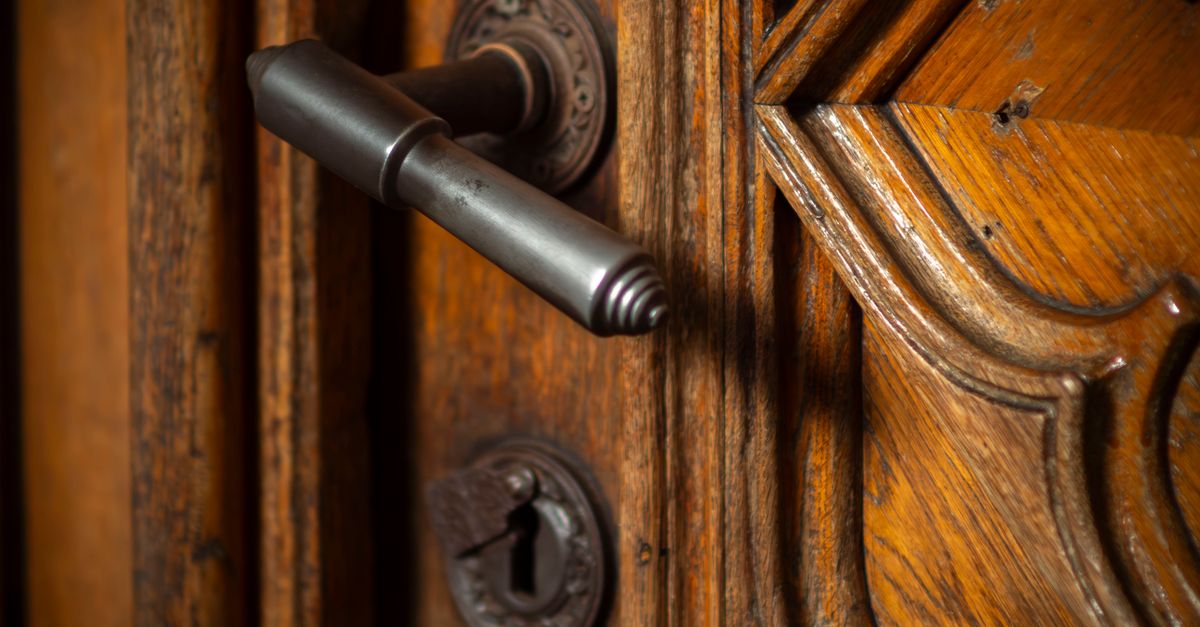
A mortise lock differs fundamentally from a rim lock or a standard cylindrical lockset. The lock body — often called the mortise lock set — is recessed into a rectangular cavity (the mortise) cut into the door stile. The external trim, whether a Baldwin mortise lock faceplate or an original Corbin Russwin mortise lock escutcheon, is only the visible tip; the real mechanism is buried inside the door. This design distributes stress across the full thickness of the door rather than concentrating it at a surface-mounted point, making mortise locks significantly more resistant to kick-in and pry attacks. That's why New York City building codes historically favored them for multi-family dwellings, and why you'll find them on virtually every pre-1960 door frame in neighborhoods from Brooklyn Heights to Carroll Gardens.
The trade-off is complexity. A mortise lock body contains a surprising number of moving parts: a case, a hub, springs, a latch bolt, a dead bolt, a cam, and an anti-pick pin set — all of which wear independently. The mortise lock cylinder, which is the plug the key turns, is a separate component threaded or set-screwed into the case. When one part fails, the symptom can look like a key problem when it's actually a worn cam, or look like a cylinder issue when the real culprit is a bent tailpiece. Accurate diagnosis is the first job our technicians perform, and it saves customers from paying for parts they don't need.