Brooklyn Heights Locksmith & Security Service Team
Local locksmith team
Sep 23, 2026 12 min read
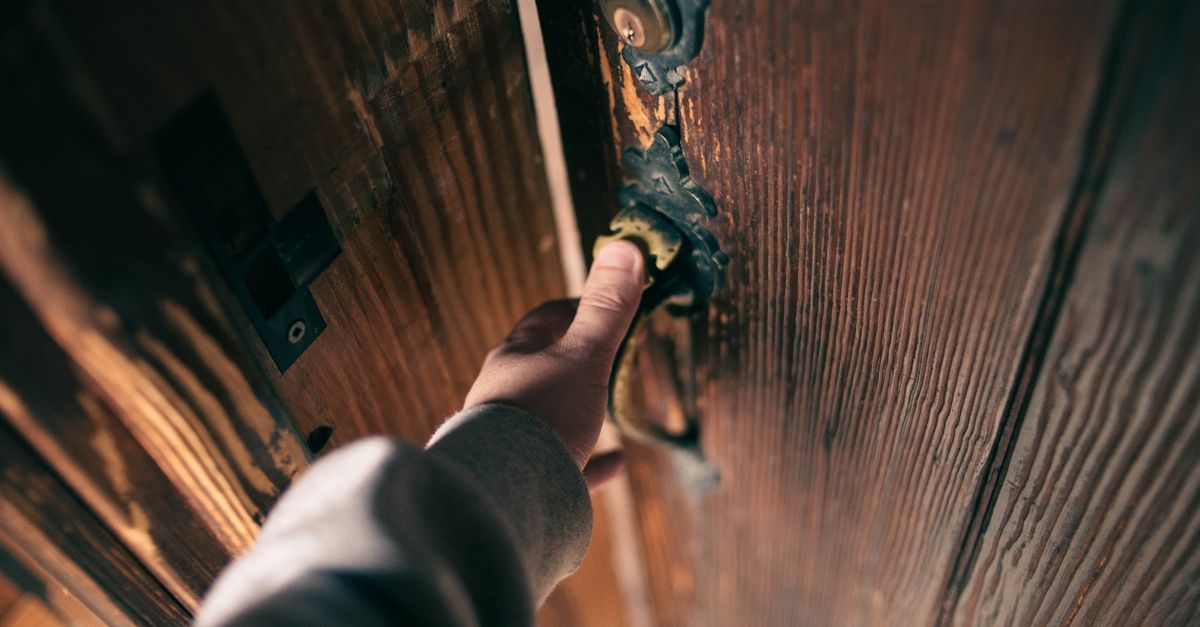
There's a particular frustration that comes with sliding your key into a lock you've used a hundred times — and feeling absolutely nothing happen. Whether you're standing outside a brownstone on Montague Street after a long commute, trying to get into your car on a cold January morning in Brooklyn Heights, or finding your door knob lock won't turn at the worst possible moment, a stubborn key is more than an inconvenience. It's a signal that something has changed inside your lock, and ignoring it rarely ends well.
The good news: not every sticky key means a full lock replacement or a panic call. In many cases, the cause is straightforward — and so is the fix. This guide walks you through the most common reasons a key stops turning in a Brooklyn door lock, what you can safely try at home, and when it's smarter (and safer) to bring in an experienced locksmith rather than force the issue and risk a snapped key or a damaged cylinder.
## Why Your Door Knob Lock Won't Turn: The Most Common Culprits
A lock that suddenly stops cooperating isn't being dramatic — it's telling you something. The most frequent cause is a worn or dirty key and cylinder. Over months and years, the small cuts on your key wear down, and the pins inside the cylinder gradually lose their crisp alignment. Dust, grime, and even dried lubricant build up inside the keyway, and what once slid smoothly now grinds or catches. This is especially common in older Brooklyn brownstones and pre-war apartment buildings, where original mortise lock hardware may not have been serviced in decades. A mortise lock — the rectangular mechanism set into the edge of the door — is a more complex assembly than a standard knob lock, and its internal components deserve regular attention.
A second common culprit is a misaligned door. Wood doors expand in summer humidity and contract in winter cold, a cycle that's particularly pronounced in Brooklyn's older housing stock. When a door swells or shifts in its frame, the latch or deadbolt can press against the strike plate under tension, putting lateral pressure on the lock cylinder. Your key is now fighting the mechanism and the door's own weight at the same time — which is why the door knob lock not turning problem often appears or gets worse with seasonal changes. Check whether your door is sitting squarely in its frame, and whether the latch aligns cleanly with the strike plate hole when the door is closed.
## Cold Weather, Worn Tumblers, and a Failing Cylinder
Brooklyn winters are no joke. When temperatures drop below freezing — think February mornings near the Promenade — moisture inside a lock cylinder can freeze, leaving the tumblers locked in place regardless of how perfectly your key is cut. If you suspect a frozen lock, resist the urge to force the key or pour hot water into the keyway (thermal shock can crack a cylinder). Instead, try a commercial de-icer spray or a small amount of graphite powder worked gently into the keyway. A lock-specific lubricant like a dry graphite or PTFE-based product works far better than WD-40, which can attract more grime over time and actually worsen the problem.
If freezing isn't the issue, the culprit may be worn tumblers or a failing cylinder. Inside every pin tumbler lock — whether a basic door knob lock or a heavy-duty mortise lock — there are spring-loaded pins that must align precisely at what's called the shear line when the correct key is inserted. When those springs weaken or pins become worn, they may bind unpredictably, turning what used to be a smooth motion into a stiff, partial rotation or no rotation at all. A lever door handle won't lock reliably for the same reason — the internal cam mechanism depends on those pins releasing cleanly. At this stage, lubrication may offer temporary relief, but the cylinder is telling you its service life is running short.
## What You Can Safely Try Before Calling an Emergency Locksmith
Before reaching for the phone, there are a few safe, legitimate steps worth trying. First, make sure you're using the right key — it sounds obvious, but on a keyring with several similar-looking cuts, it's an easy mistake. Second, apply a small amount of graphite powder or a PTFE-based dry lubricant to the key blade itself, then work it in and out of the cylinder several times to distribute it through the keyway. Third, if your door knob lock won't turn and you suspect door alignment is the issue, try lifting the door handle upward slightly as you turn — this can relieve pressure on the latch and give the cylinder room to rotate freely.
If none of those steps work and you find yourself locked out, the practical checklist is short: check whether a window or secondary door is accessible, contact a trusted person who may hold a spare key, and verify that you haven't left a key inside on a hook or table. What you should not do is attempt to force, pick, or bypass the lock yourself. Beyond the obvious safety concerns, a forced entry can damage the door jamb, the cylinder, or the mortise lock body in ways that cost more to repair than a professional call would have. When those self-help steps are exhausted, that's exactly when an experienced emergency locksmith becomes the right answer — and the faster you call, the less likely you are to cause additional damage by waiting or improvising. Call Brooklyn Heights Locksmith & Security at 718-841-7588 anytime — we're available around the clock, seven days a week.
## Mortise Lock Problems, Cylinder Replacement, and When to Change Your Lock
Mortise locks are the workhorse hardware on a huge proportion of Brooklyn's doors — from single-family homes in Brooklyn Heights to multi-unit buildings along Atlantic Avenue. Unlike a simple cylindrical knob lock, a mortise lock houses the deadbolt, latch, and sometimes a lever mechanism all within one heavy-duty case set into the door itself. When a mortise lock starts misbehaving — whether the cylinder feels stiff, the deadbolt throws sluggishly, or the lever door handle won't lock from the inside — the issue could be in the cylinder, in the internal case mechanism, or in both. A professional inspection is essential before assuming you know which component needs replacing, because swapping the wrong part wastes money and time.
Knowing how to change your lock — or more precisely, when to change it — is equally important. A cylinder that has been worn by a long-used key, compromised by a break-in attempt, or damaged by freezing should be replaced rather than patched. Rekeying (replacing the internal pins so existing keys no longer work) is a more economical option when the cylinder is structurally sound but you've lost key control — after a move, a lease changeover, or a lost key. If you've been wondering whether to change your lock entirely versus rekey, the answer usually depends on the condition of the hardware, the lock's security grade, and whether the door and frame are still in good shape. Our team can assess all three on the spot and give you an exact, confirmed price before any work begins — factors like the lock type, any parts required, and your location all go into that figure.
## How Much Does a Locksmith Cost in Brooklyn, and What Should You Expect?
One of the most common questions we hear is: how much does a locksmith cost in Brooklyn, or how much do locksmiths charge on average for a job like a stuck key or cylinder replacement? The honest answer is that there's no single flat rate — and any company that quotes you a price without knowing the details should be treated with caution. The factors that shape your final quote include the type of lock involved (a basic knob cylinder versus a full mortise lock assembly), whether parts need to be sourced, the time of day (emergency overnight calls carry different considerations than a daytime appointment), and travel distance within the Brooklyn area. How much should an emergency locksmith cost, and how much does an emergency locksmith cost near me? Those are fair questions, and our policy is simple: we confirm an exact up-front price before any work starts, with no surprises on the final invoice.
What makes Brooklyn Heights Locksmith & Security different from a quick online search result isn't a tagline — it's the specifics. Our team is trained and experienced with the full range of residential and commercial hardware found across Brooklyn's neighborhoods, from vintage mortise lock systems in pre-war buildings to modern electronic deadbolts in new-construction condos. We carry a professional inventory of cylinders, pins, and replacement hardware on every mobile unit, which means most jobs — including a cylinder swap on a mortise lock or a full door knob lock replacement — are handled in a single visit. We are also fully insured, so both your property and our team are protected on every call. Services we handle include residential lockouts, car lockouts, mortise lock repair and replacement, cylinder rekeying, deadbolt installation, high-security lock upgrades, master key systems, mailbox locks, garage door locks, cabinet locks, padlock removal, safe opening, commercial locksmith services for offices and retail spaces, access control installation, intercom system integration, door hardware installation, window locks, exit device (panic bar) installation, gate locks, storage unit locks, key duplication, broken key extraction, lock repair after attempted break-ins, and emergency locksmith response across all Brooklyn neighborhoods — 24 hours a day, every day of the year. Whether you're dealing with a door knob lock not turning on a quiet Sunday morning or facing a commercial locksmith need at a business on Fulton Street, one call connects you with a skilled technician who arrives ready to work.
## Preventing the Problem: Maintenance Tips for Brooklyn Door Locks
The best time to deal with a stubborn lock is before it stops working entirely. A few minutes of maintenance twice a year — spring and fall, to coincide with Brooklyn's most pronounced temperature swings — can add years to the life of a mortise lock or door knob lock. Apply a dry graphite or PTFE lubricant to the keyway and to any external moving parts; avoid oil-based products that attract grime. Check that your door closes without resistance and that the latch meets the strike plate cleanly — if you need to lift or push the door to engage the deadbolt, the hinges or strike plate may need adjustment before the problem worsens. Inspect your keys for signs of wear: rounded cuts, visible bends, or a key that feels loose in the lock are all early warnings.
For older mortise lock hardware specifically, an annual service by a trained locksmith is genuinely worthwhile. The internal case can accumulate decades of dust, the springs lose tension gradually, and a professional can catch a failing component before it leaves you locked out on a January night. If you're a landlord or property manager in Brooklyn Heights, a maintenance schedule for your building's locks isn't just good practice — it reduces the emergency calls that disrupt both you and your tenants. When you're ready to schedule a check-up, or if a key stopped turning while you were reading this, the team at Brooklyn Heights Locksmith & Security is ready right now. Call us at 718-841-7588 — we answer 24/7, and we'll confirm your exact price before we touch anything.
Frequently asked questions
What should I do if my door knob lock won't turn and I'm locked out of my house?+
Start with the basics: confirm you have the right key, check whether a secondary entrance or window is accessible, and contact anyone who may hold a spare. Do not attempt to force, pry, or pick the lock — that risks damaging the cylinder, the door jamb, or the mortise lock body, which can make the repair significantly more involved. Once you've exhausted safe options, call a trained locksmith. Brooklyn Heights Locksmith & Security is available 24 hours a day at 718-841-7588, and we'll confirm an up-front price before any work begins.
How much does a locksmith cost in Brooklyn for a stuck key or cylinder replacement?+
There's no single rate — the final price depends on several factors: the type of lock (a standard door knob cylinder versus a full mortise lock assembly), whether replacement parts are needed, the time of day, and your location within the Brooklyn area. How much do locksmiths charge on average varies by job complexity. At Brooklyn Heights Locksmith & Security, we give you an exact confirmed quote before we start any work, so you know the full cost upfront with no surprises.
Why does my key turn fine sometimes but stick at other times — especially in winter?+
Intermittent sticking is usually caused by one of two things: a door that shifts with temperature and humidity (common in Brooklyn's older wood-frame and brownstone buildings), or early-stage cylinder wear where the pins are inconsistent rather than fully seized. Cold weather can also partially freeze residual moisture inside the keyway, causing the same intermittent behavior. A dry lubricant applied to the key and keyway often helps in the short term, but if the problem returns regularly, it's worth having a professional inspect the cylinder and door alignment before the key snaps inside the lock.
Should I rekey my lock or fully change my lock after moving into a new Brooklyn apartment?+
Either option can be appropriate depending on the condition of your hardware. Rekeying replaces the internal pins so all previous keys stop working — it's the right choice when the cylinder and lock body are in good shape and you simply want key control. Changing the lock entirely makes more sense when the hardware is worn, outdated, a low-security grade, or damaged. If your building uses mortise lock hardware, a professional inspection is especially valuable, because mortise systems have more internal components than standard knob locks and the condition of the case matters as much as the cylinder. Our team can assess both on the spot and walk you through the options.